
Director-Tech · Northeast Ohio
Stewardship that leaves the estate operable.
Independent retained technology director for industrial and manufacturing estates. Ownership, then transfer, not a managed-services contract.
John Reinmann is hired to own a company’s technology and to lead the people who run it, as a longer-term partner. Then he leaves both the estate and the team able to continue without him. Complex estates accumulate hidden single points of failure, blurred boundaries, and knowledge that lives in one head. Reverse that: take ownership, make the estate understandable to the people who operate it, and leave a successor who can run the next cycle. The platforms change. The obligation does not.
The practice
Take ownership. Make the estate legible. Leave a successor who can run the next cycle.
Director-Tech is the independent practice of John Reinmann. He is hired to own a company’s technology and to lead the people who run it, as a longer-term partner, then leave both the estate and the team able to continue without him. Complex estates accumulate hidden single points of failure, blurred boundaries, and knowledge that lives in one head. The practice exists to reverse that pattern: take ownership, make the estate understandable to the people who operate it, and leave a successor who can run the next cycle. The platforms change. The obligation does not.
Practice
Where the work sits.
Clarity of the multi-cloud estate
An operating picture leadership and the operators can share — what is running, who owns it, cost, and risk — so the team is not dependent on the last architecture slide.
Read moreIdentity as the control plane
The control plane is how the team stops depending on one person’s memory of leftover registrations and credentials.
Read moreContinuous control of the public perimeter
A recurring discipline the operators can explain, not a scan that only a specialist can read.
Read moreKeeping industrial and corporate networks intentionally separate
Keep the planes separate and understandable to both the network team and the plant engineers. Named change authority.
Read moreOwnership that ends in transfer
The successor inherits how the work is run — the picture, the meeting, the named owners — not only the diagrams. A long engagement that leaves the organization dependent is a failure.
Read moreAI that has a defined job
A capability ships only when it performs a job a person already does, on systems the organization already owns, with a clear owner and a fail-closed path. The person decides what earns a place. The model does not.
Read moreHow we work
A short sequence. Then a decision.
01
A conversation
Call the line, or write. What is actually running, what is unowned, and what has to remain operable after a transition.
02
A look at how it runs
The estate as it is — not the last architecture slide. Boundaries, owners, lingering credentials, and the public paths that no longer match the intended design.
03
A written picture
A map leadership and the people who operate the estate can use: ownership, sequence, and what not to do. Something that survives the person who drew it.
04
Direction, or a transfer
Stay on as a retained owner, or leave the knowledge with a successor who can run the next cycle. Either way the estate is legible, and the team can continue.
How I think about the work
Five tests. Not a manifesto.
Ownership is only real if it ends in transfer.
A long engagement that leaves the organization dependent on the person who just left is a failure of the original responsibility. The test is whether a successor can complete the next cycle without a call — including how the work is run, not only the diagrams.
Maps beat tribal knowledge.
Living artifacts, clear ownership with actual names, and boundaries that can be explained are more valuable than heroics or undocumented expertise. The estate must remain legible to the people who operate it after the current owner is gone.
Boundaries exist to protect the business.
Identity, network, cloud, and OT planes are not architectural preferences. They are controls. When they blur, risk accumulates quietly. Keeping them intentional and explainable is part of the work.
The hire is the person, not the platform.
Matching a certification or a particular exposure is not the test. The test is whether this individual can own the enterprise technology and lead the team that runs it, then leave both operable. Platforms are the terrain of the work. They are not the proof of the hire.
New capability must earn its place.
AI or any other technology ships only when it performs a job a person already does, on systems the organization already owns, with a defined owner, data boundary, and fail-closed behavior. The person decides what earns a place. The model does not. Science projects stay in the lab.

Who it is for
Already real. Already consequential.
Director-Tech is for organizations whose technology estate is already real and consequential—not for those still deciding whether to move to the cloud, and not a transformation program or staff augmentation matched to a platform.
An experienced owner for a defined period
The buyer needs an experienced owner of the technology and of the people who operate it, for a defined period — not another short-term project, and not staff-aug matched to a platform.
A transition that must leave the estate operable
Leadership is approaching a transition and wants the technology, and the team that runs it, left legible and operable for the next person responsible.
Complexity the diagrams no longer match
The environment is multi-cloud, includes industrial or OT networks, or has grown complex enough that diagrams and reality have diverged.
Continuity over the latest platform feature
The organization values continuity and reduced dependency over speed of delivery or the latest platform feature. The hire is the person, not a particular exposure.
Typical situations include mid-market and larger industrial or manufacturing companies, closely held operators with significant technology footprints, and organizations preparing for leadership or ownership change where the technology estate must remain reliable through the transition. Manufacturing estates have a dedicated page.
The engagement begins with a conversation about what is actually running and what needs to be owned. It ends only when the knowledge is transferable — to a successor, and to the people who operate the estate.
There is one director. That is the point. The work is to leave living maps, named owners, and a successor who can complete the next cycle without a call. If the buyer needs a bench that can swap operators on short notice, that is a different product.
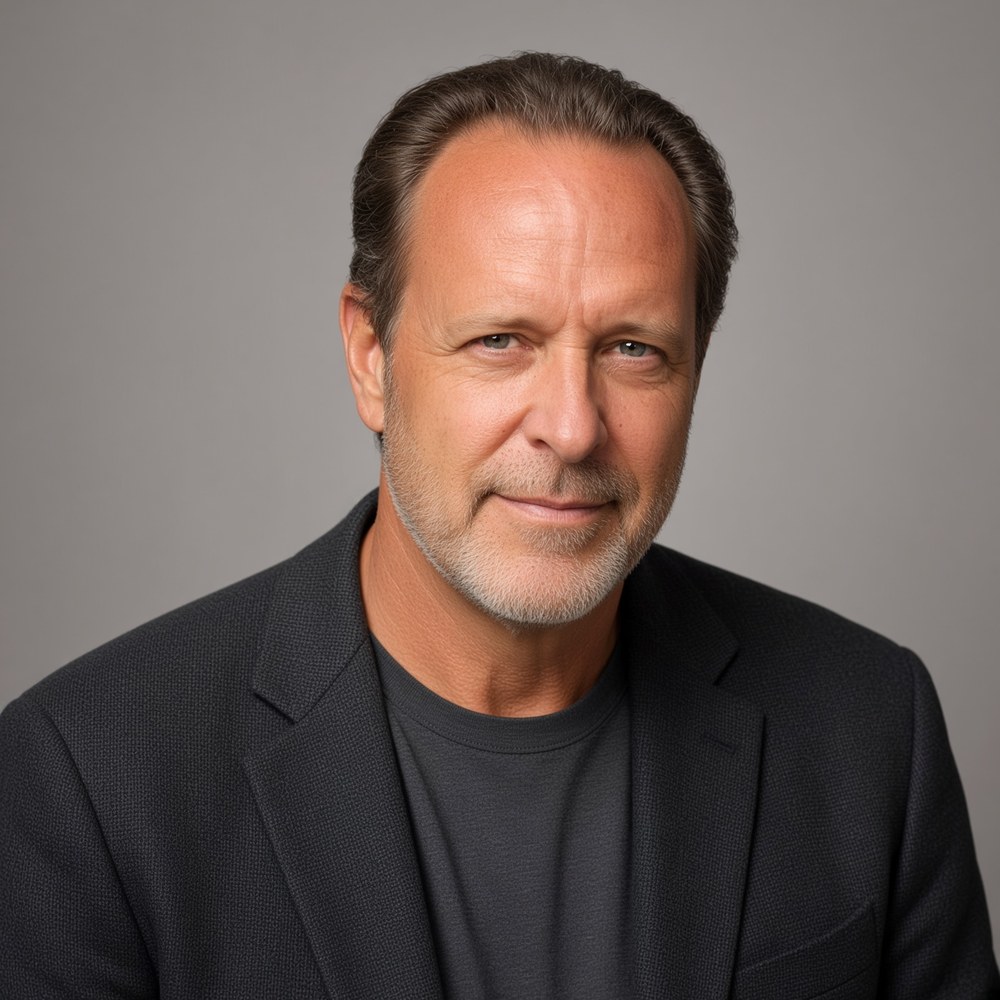
Principal
John Reinmann
President of Director-Tech Inc.. Independent operator in Northeast Ohio. Hired to own a company’s technology and to lead the people who run it, then leave both the estate and the team able to continue without him. Tandy in 1987. Telxon’s engineering systems. Area 51 from 1997. There is one director. That is the point. The same obligation under different platforms. The platforms change. The obligation does not. Air and space, away from the work.
Full bioSpeak with the line. It will book the time or take a message.
Works in the browser — an iPad on Wi-Fi is enough — or dial (330) 661-9295. Monday–Friday, 8:00 a.m.–5:00 p.m. Eastern. Akron, Ohio.